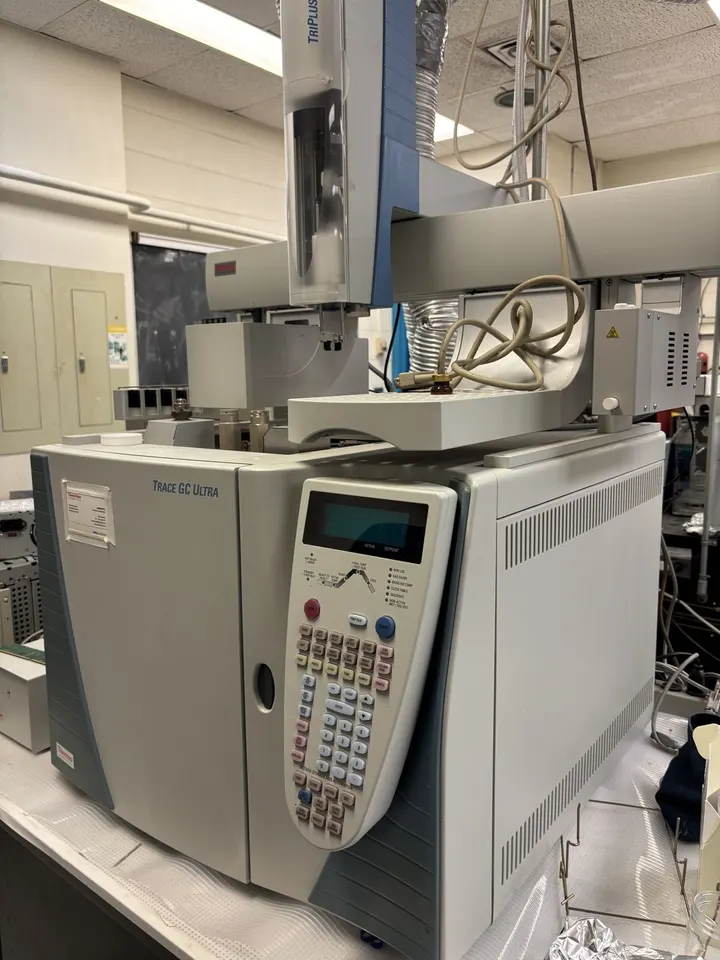
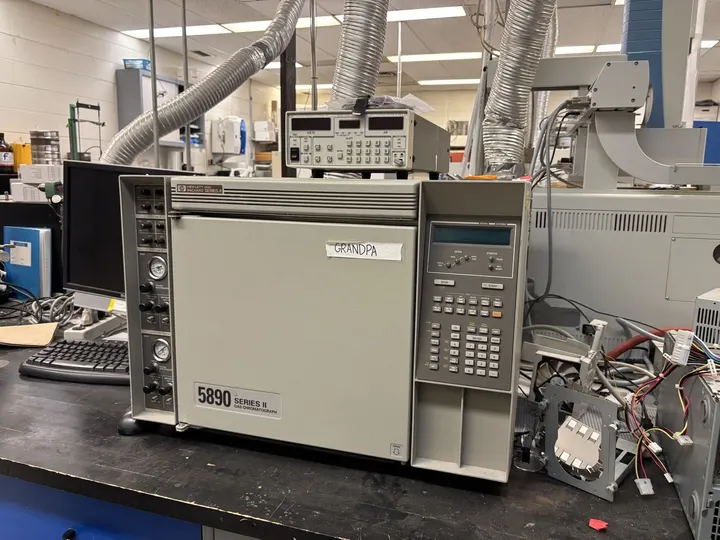
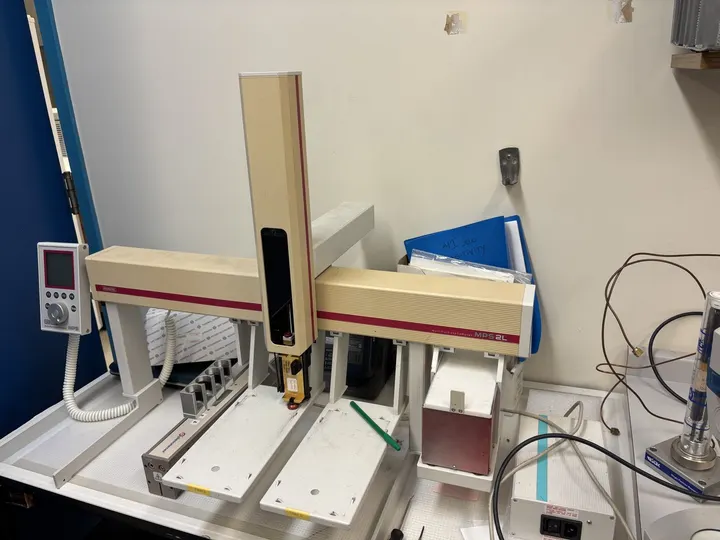
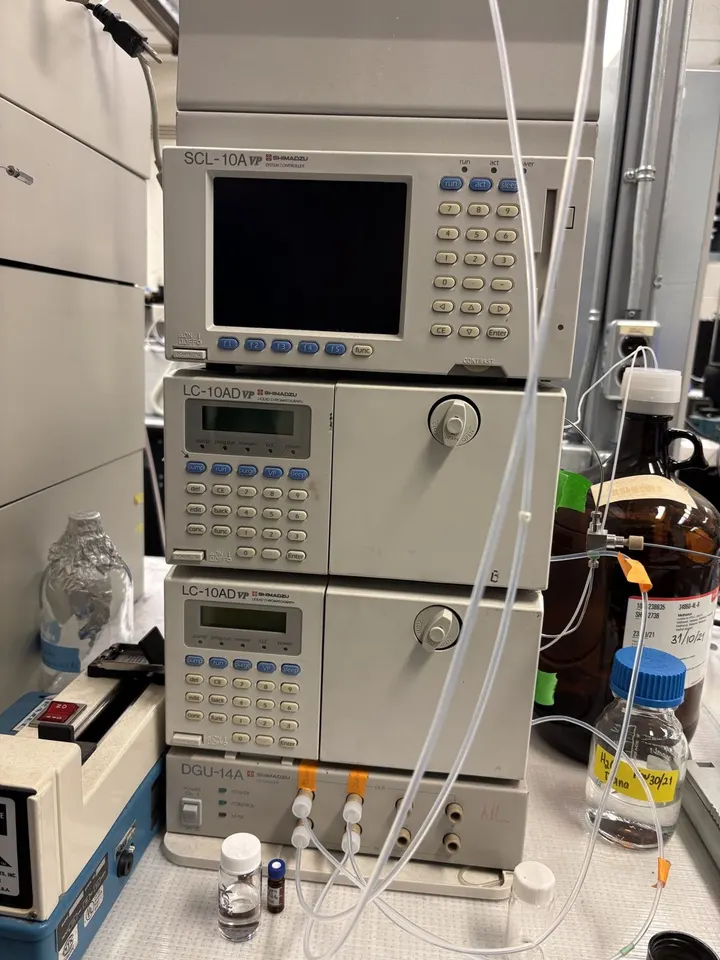
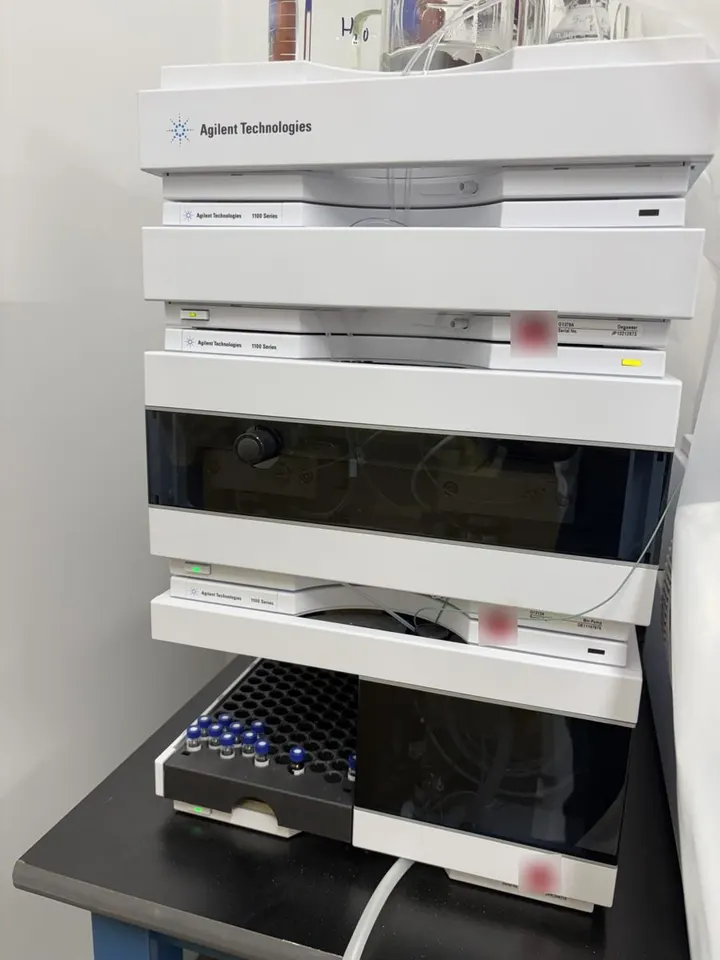
- HPLC startup in the morning: prime, wash, then equilibrate
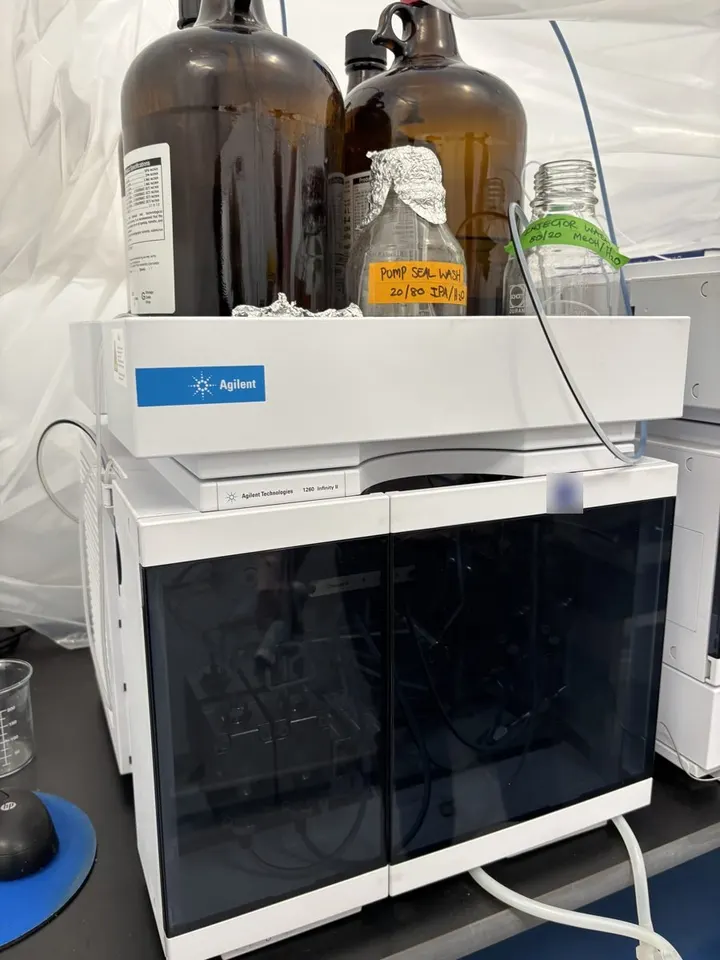
Check the bottles, prime the pump (longer if it stood longer or the solvent changed), make sure the solvent is degassed, prime the seal wash and the autosampler, start flow through the detector before the lamp, then equilibrate the column for at least 10 column volumes. Run a blank and a standard before the first sample.
- Column temperature in HPLC: what the column heater controls, and what it doesn't
Column temperature changes retention time by about 1 to 3% for each 1 °C, so 'ambient' isn't a stable condition. A heater controls the column's surroundings; a solvent pre-heater (heat exchanger) also brings the mobile phase to temperature, so the same set point can give a different column temperature on two systems. Silica columns also have a temperature limit, lower near the ends of their pH range.
- How to clean an HPLC detector flow cell, in the right order
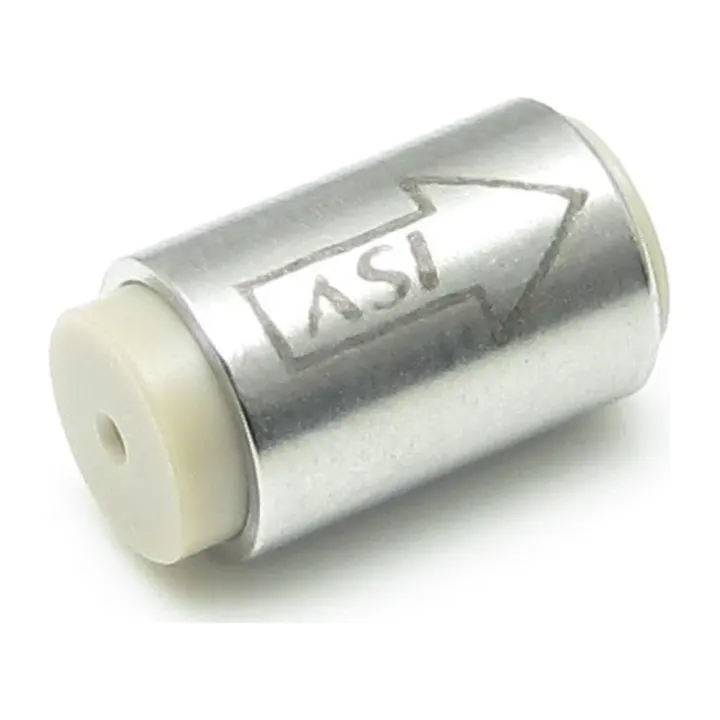
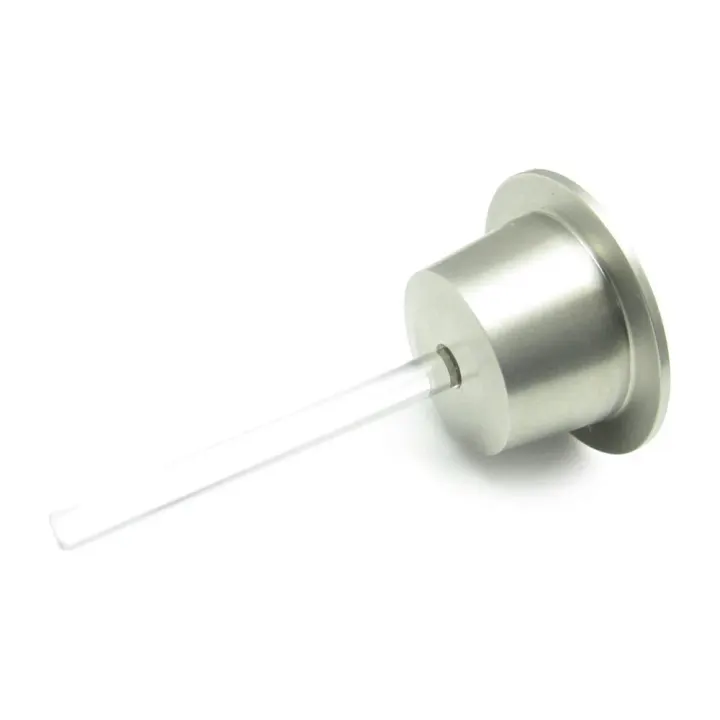
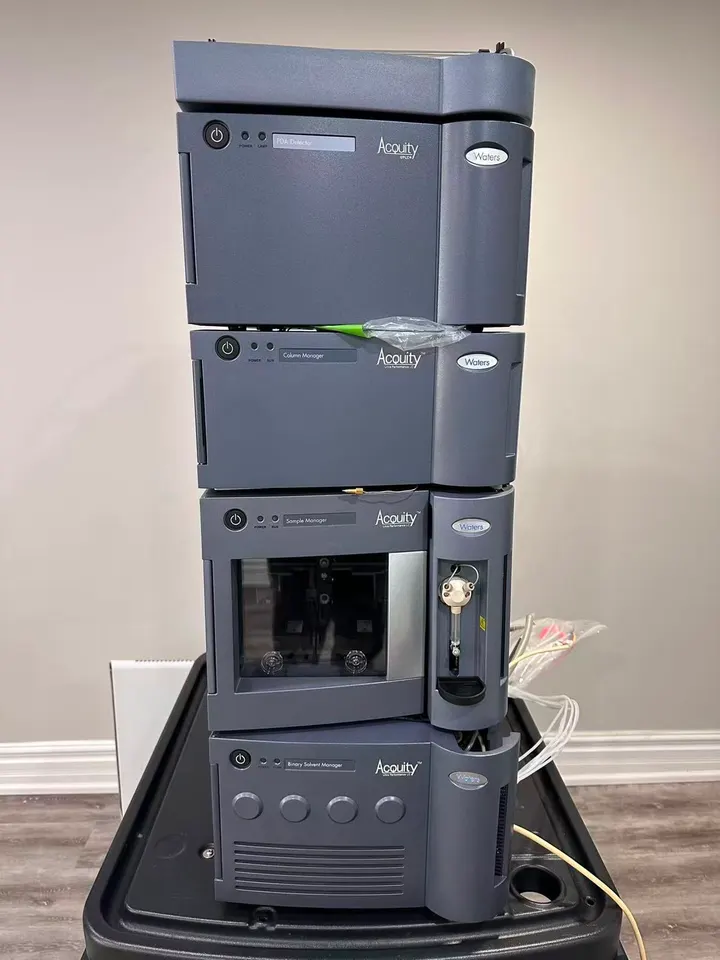
Clean the flow cell before you replace the lamp, because a dirty cell gives the same noise and low energy. Flush with mobile phase first, then 100% acetonitrile, then 1% formic acid for 30 minutes followed by water. Keep the pressure on the cell low: Waters ACQUITY cells are rated to 69 bar and Agilent 1290 DAD cells to 70 bar.
- Shutting down after a buffer run
If the system will stand for more than a day, don't leave buffer in it. Flush the buffer out with water first, then put organic solvent through the column and flow cell, and store the pump in about 20% methanol in water. For a stop of less than 24 hours, keep the starting mobile phase flowing at a low rate with the lamp off.
- HPLC vs UHPLC (UPLC): what changes at 2.1 mm and sub-2 µm
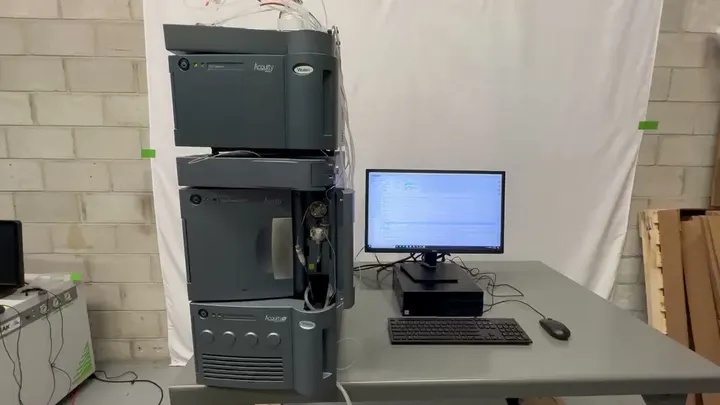
UHPLC is liquid chromatography above about 400 bar, using particles smaller than 3 µm. UPLC is Waters' trademarked name for it; Agilent, Thermo and Shimadzu say UHPLC. Smaller particles need much more pressure, a 2.1 x 50 mm column holds only about 0.2 mL, and the lowest-rated part of the system sets the limit you work to.
- What "equivalent" means when you buy an aftermarket part
For an aftermarket mechanical part, fit is checkable: match the module, the connector, the chip status and the rated life. For a column or sorbent, a matching USP L-number means the chemistry corresponds, not that the separation will match. In a validated method, a different stationary phase is not a permitted USP <621> adjustment.
- Which HS code and origin decide the duty on lab consumables entering Canada?
Two things on the paperwork decide what a lab pays at the Canadian border: the country of origin and the tariff item the broker enters. Most chromatography items carry a US Tariff rate of Free, but a surtax is a separate charge added on top of that rate. Buying from a Canadian distributor does not change a US origin. Ask for the origin and the tariff item as lines on the quotation.
- What every part in an HPLC does, and how it fails
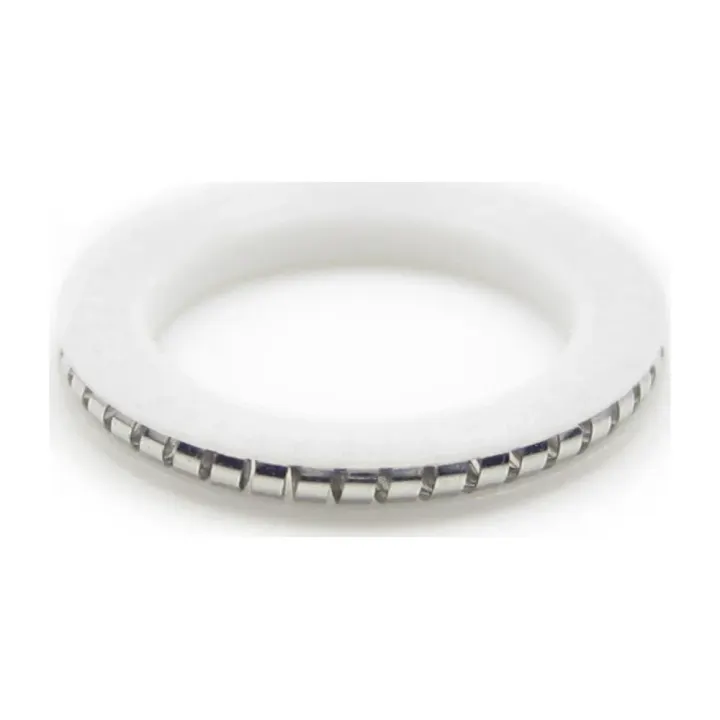
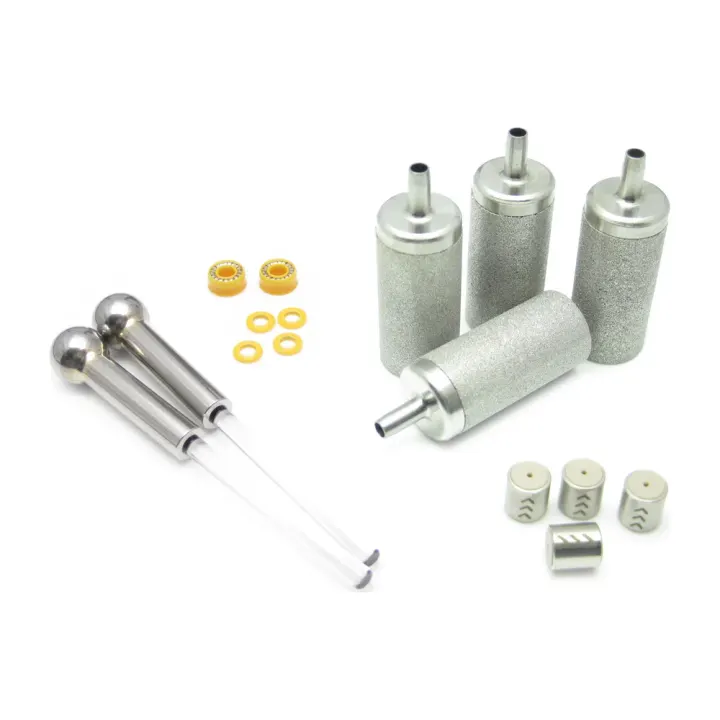
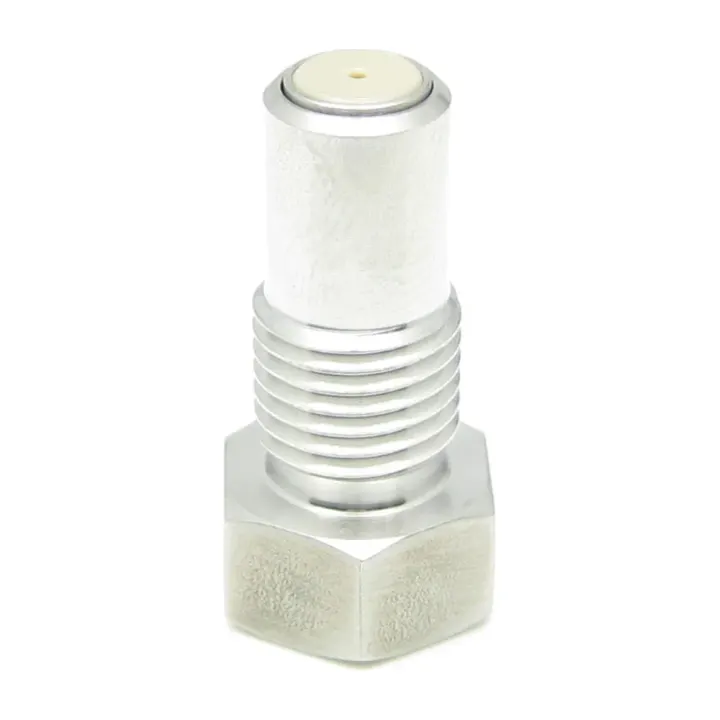
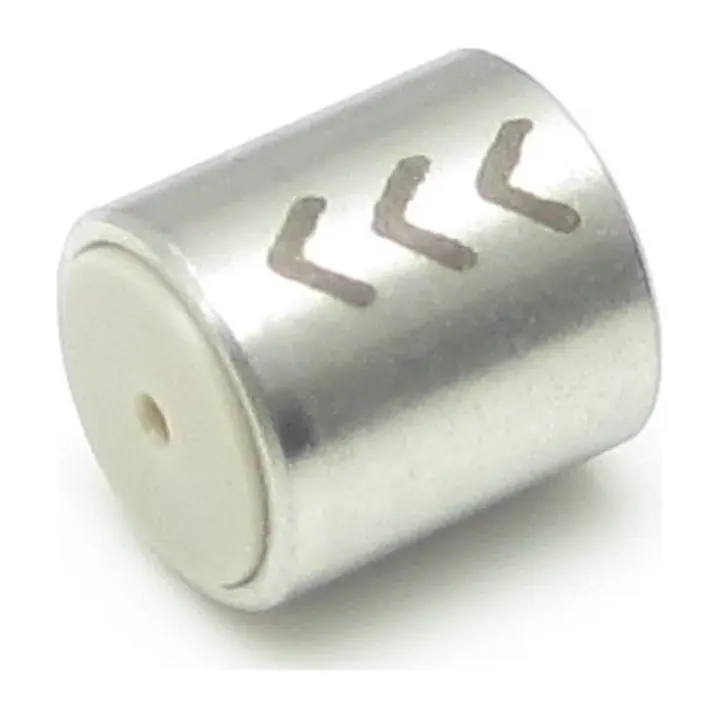
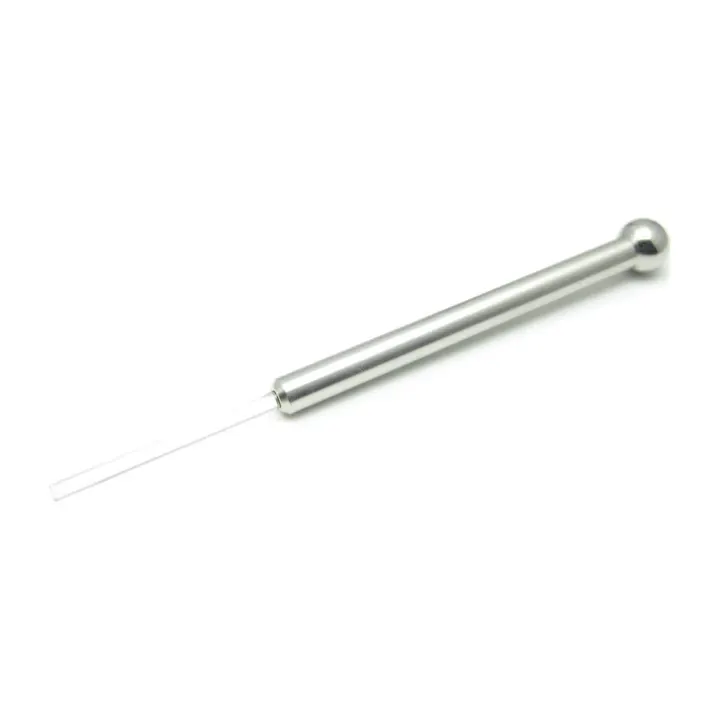
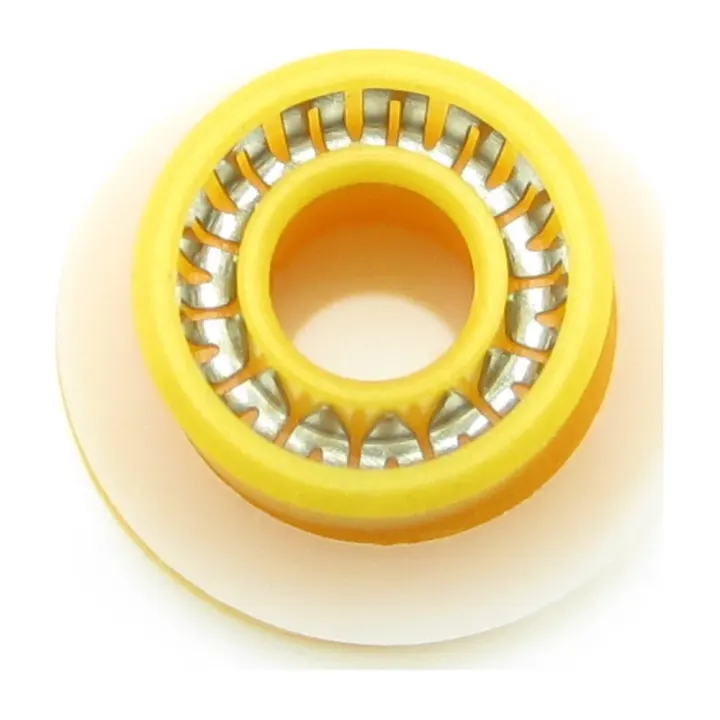
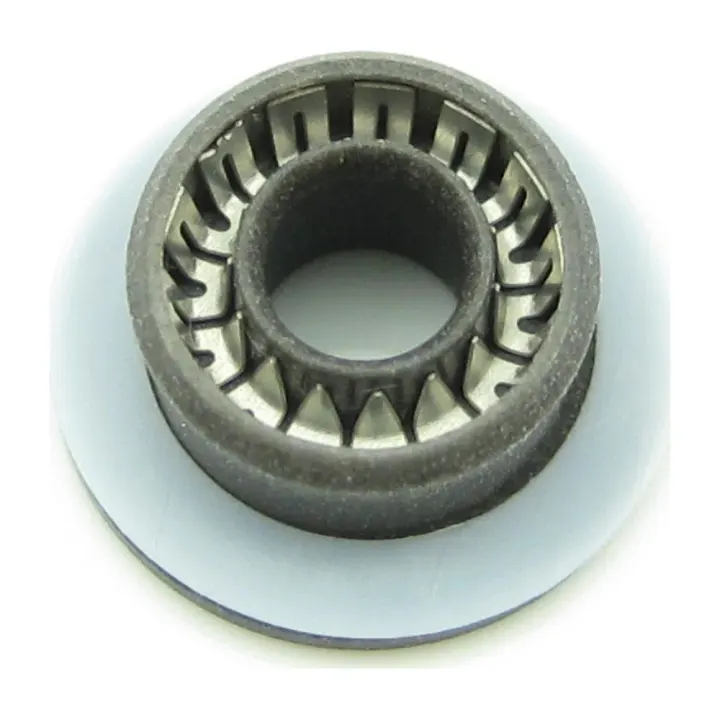
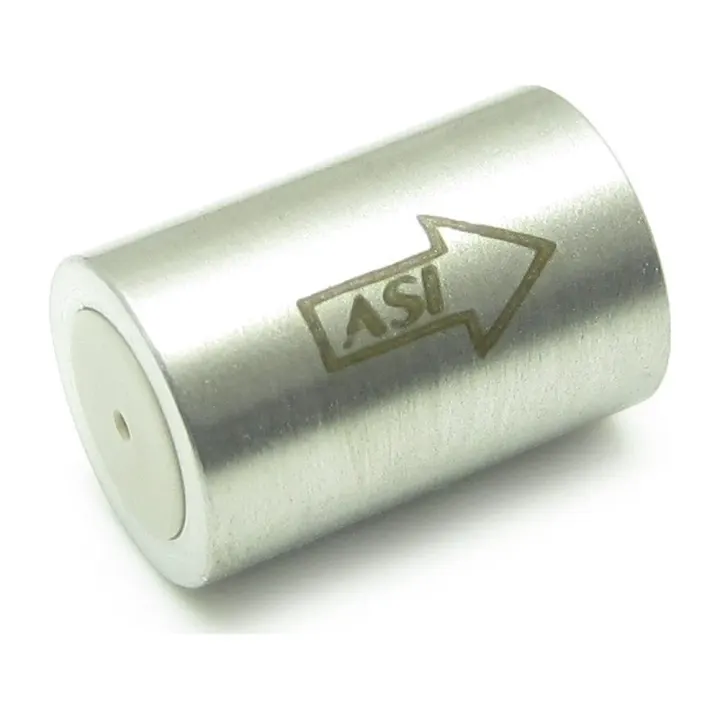
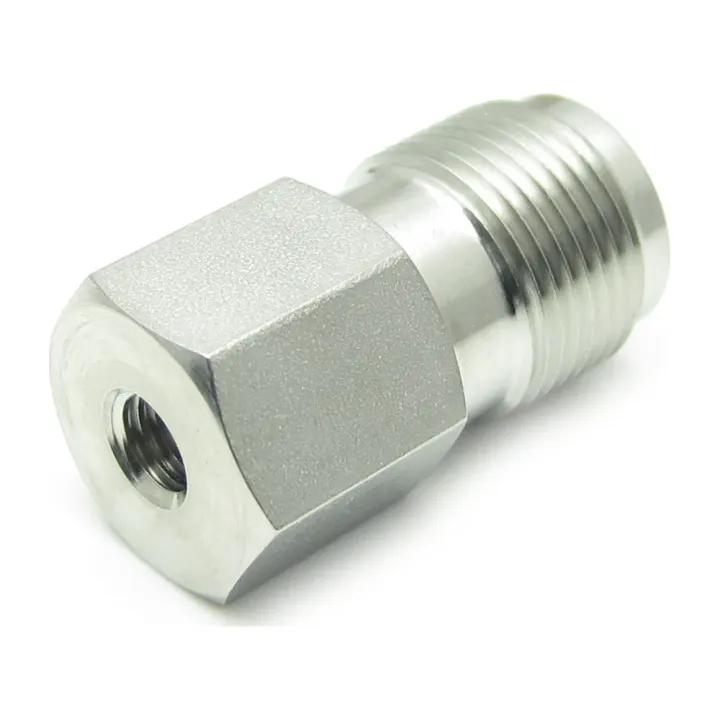
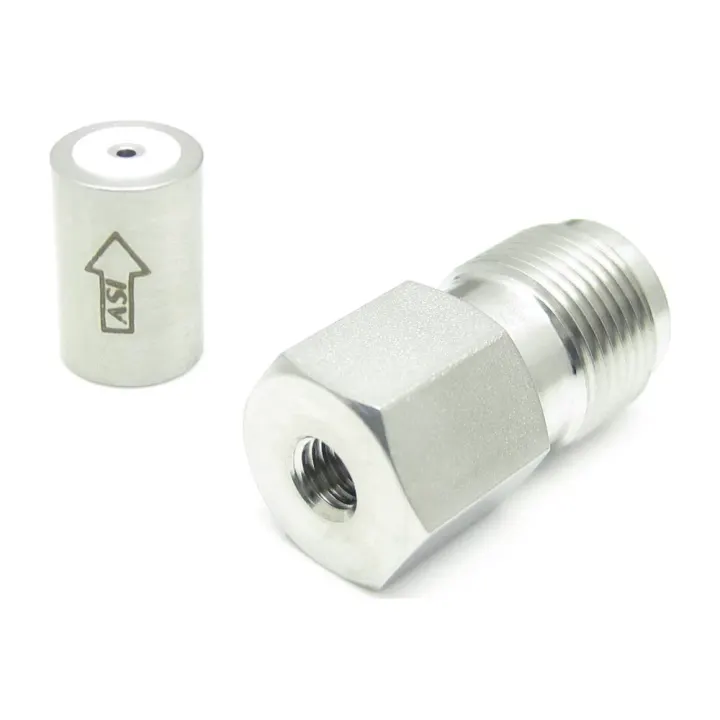
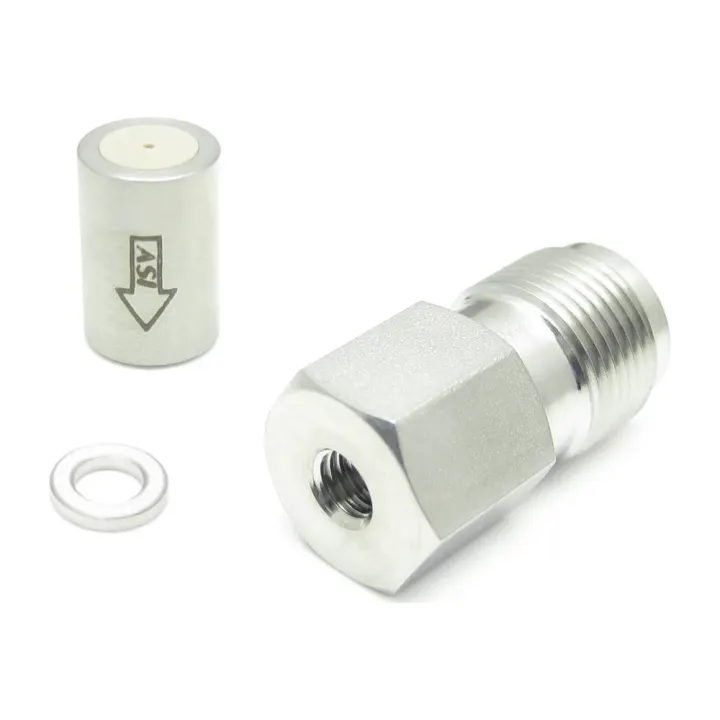
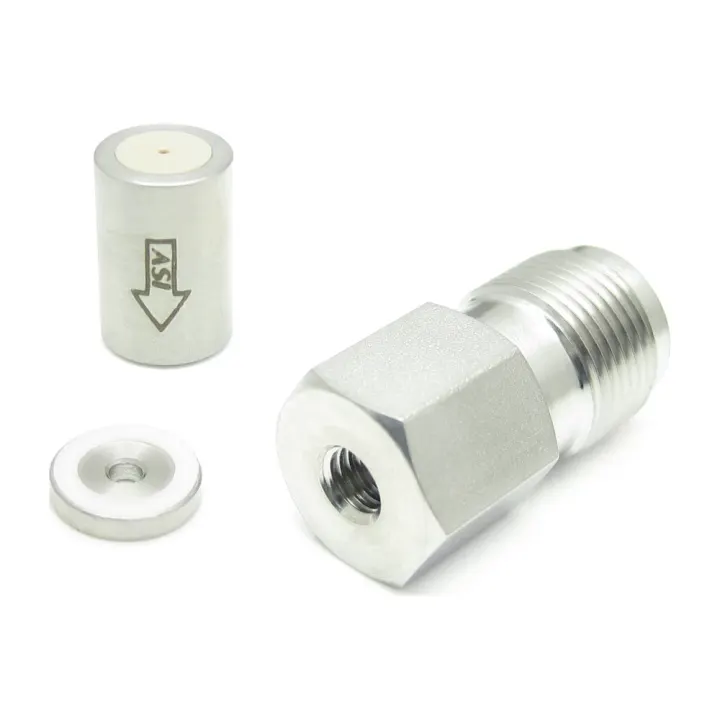
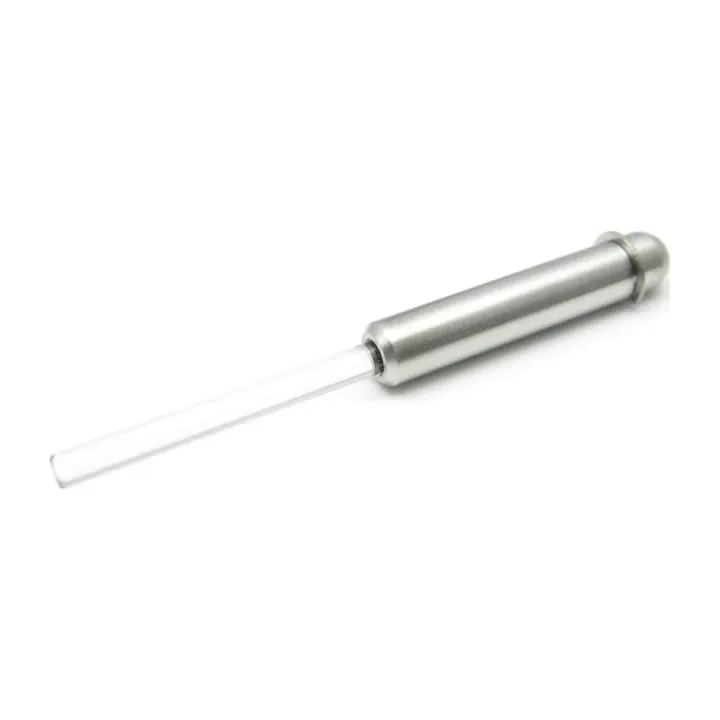
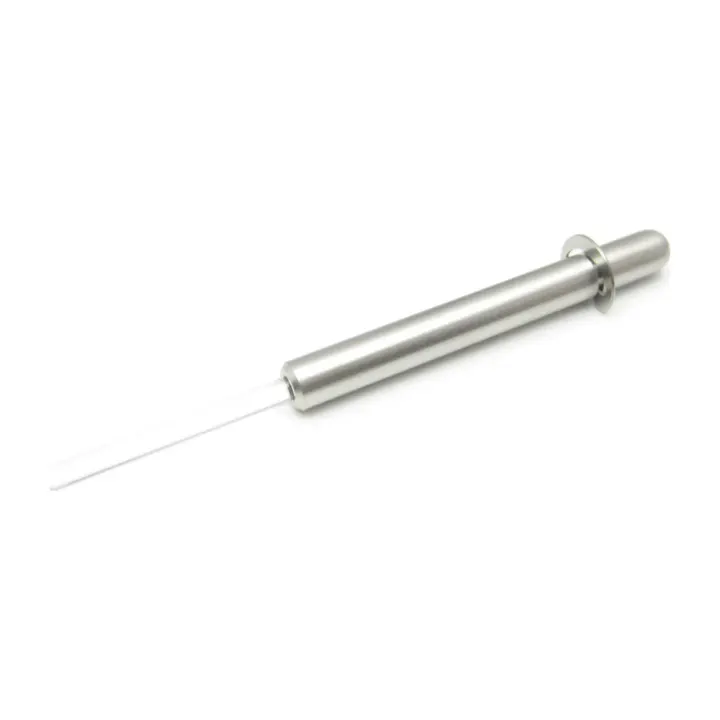
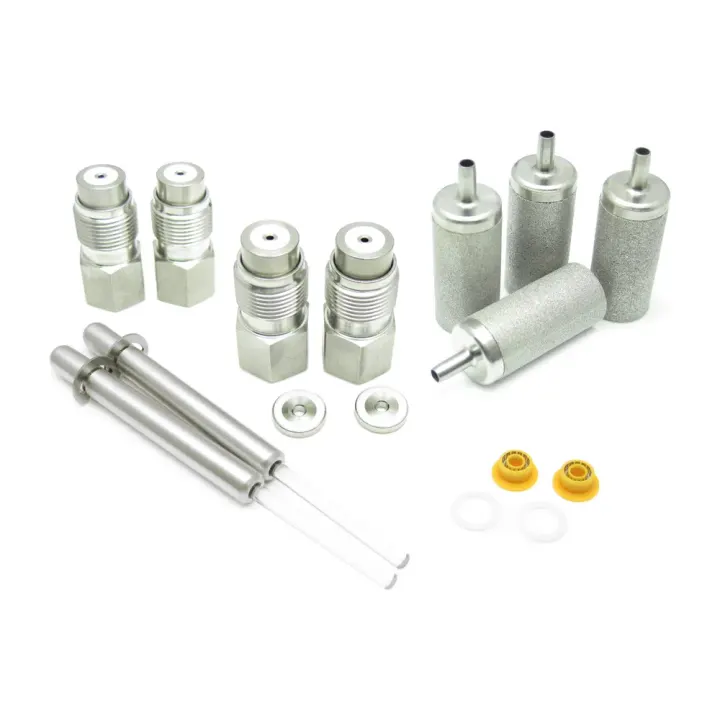
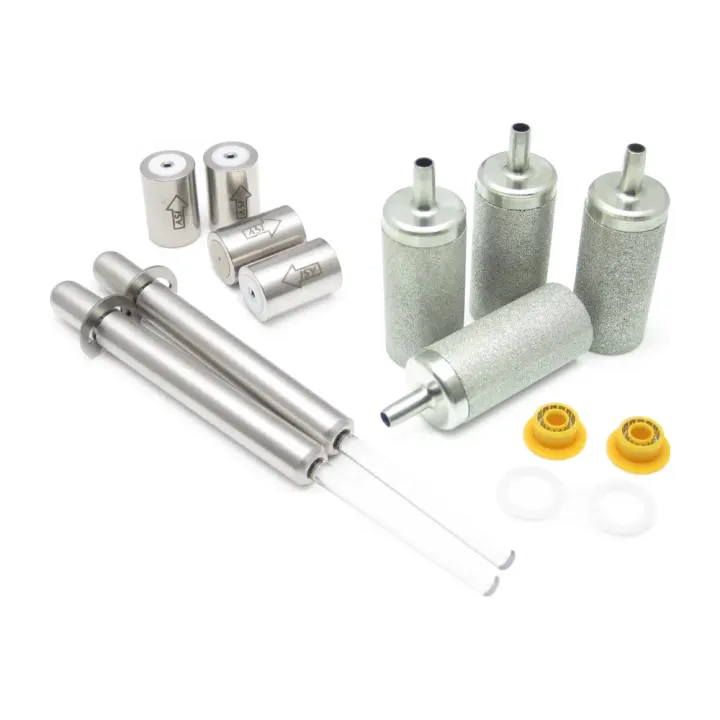
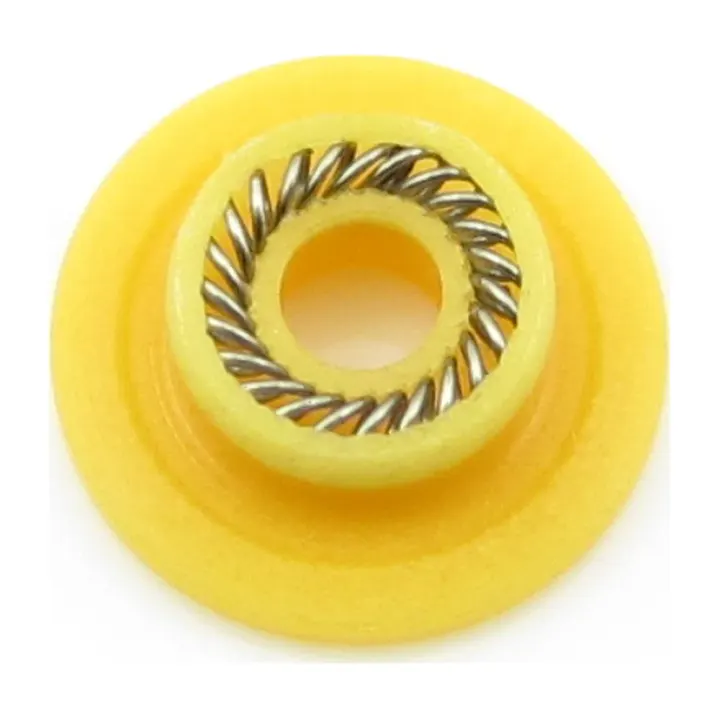
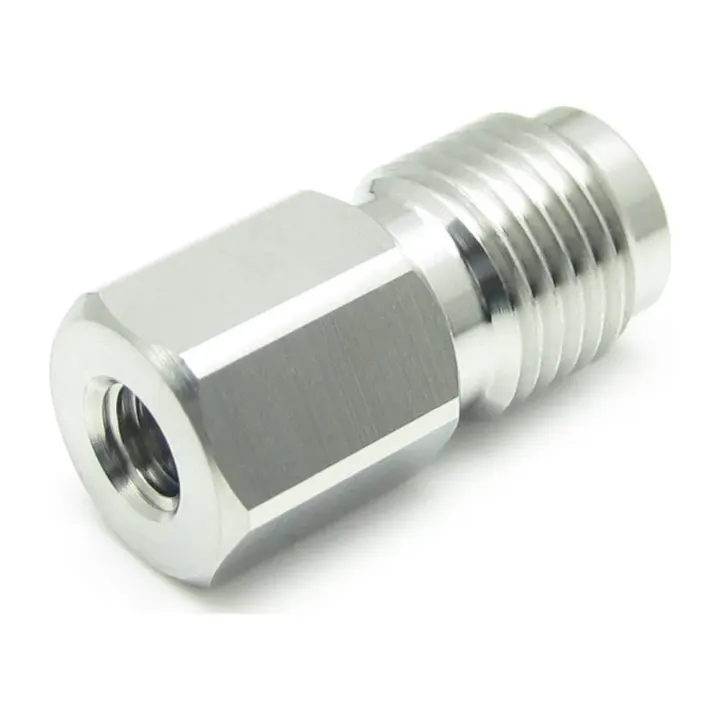
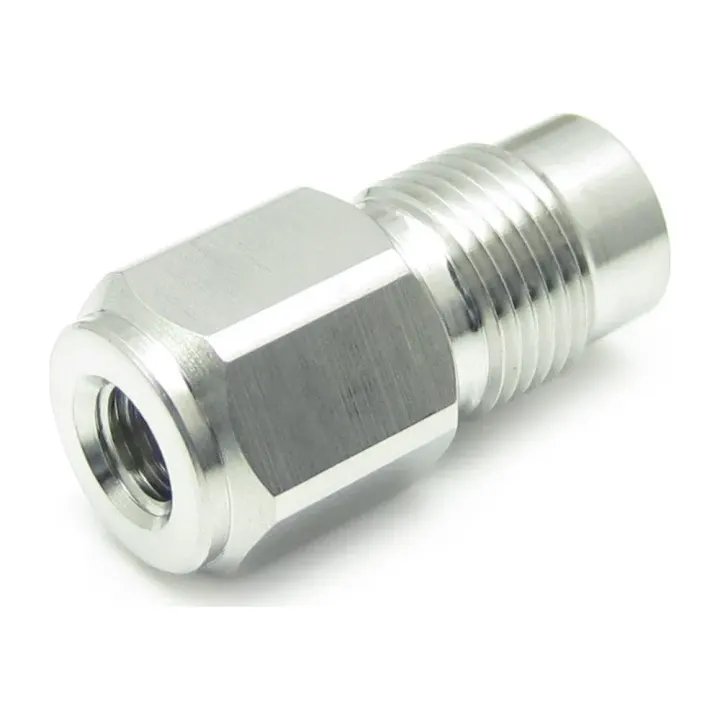
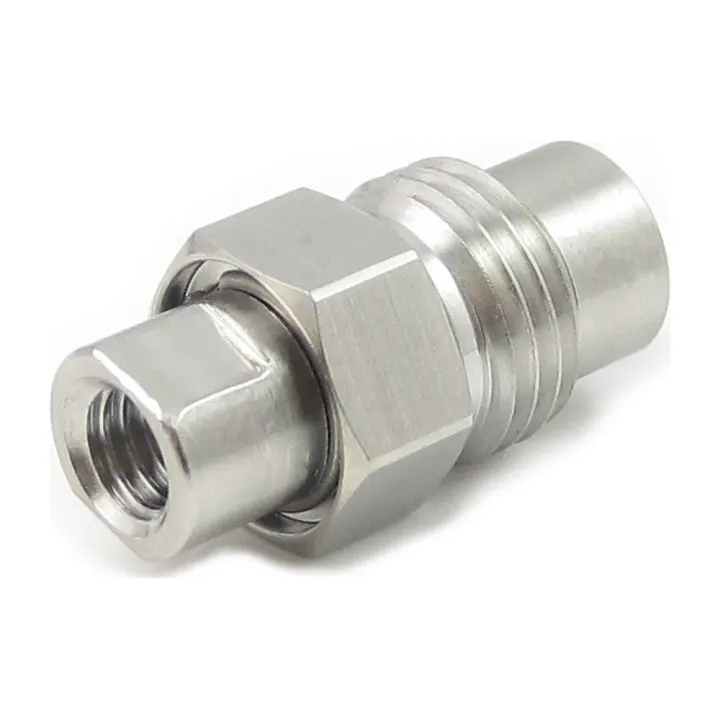
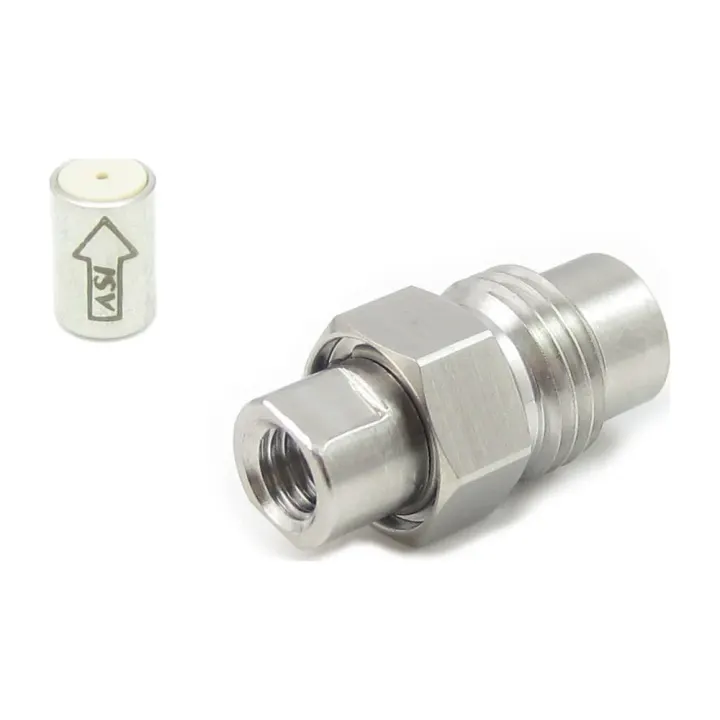
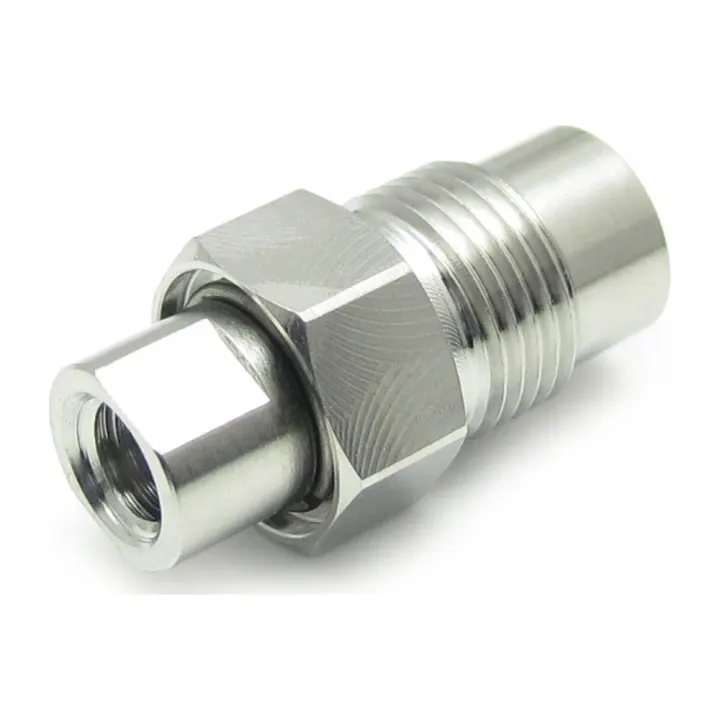
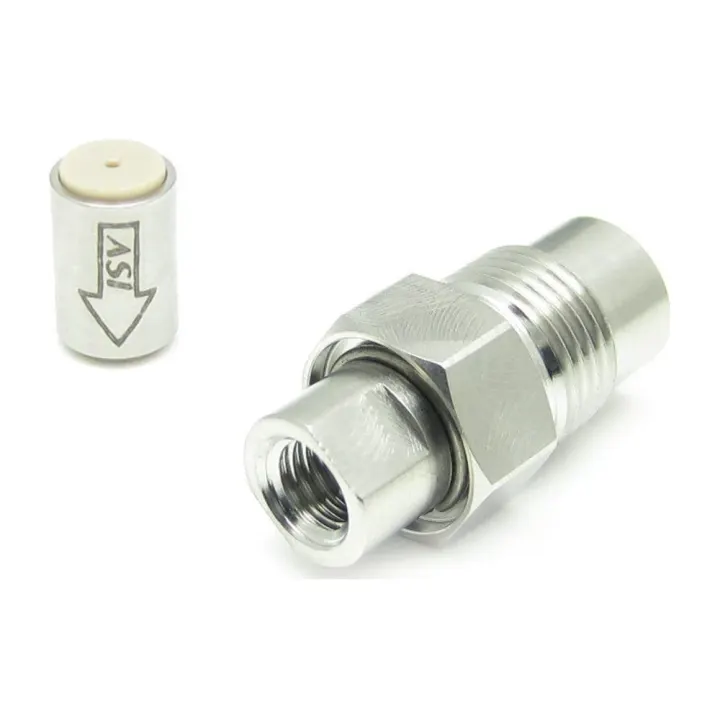
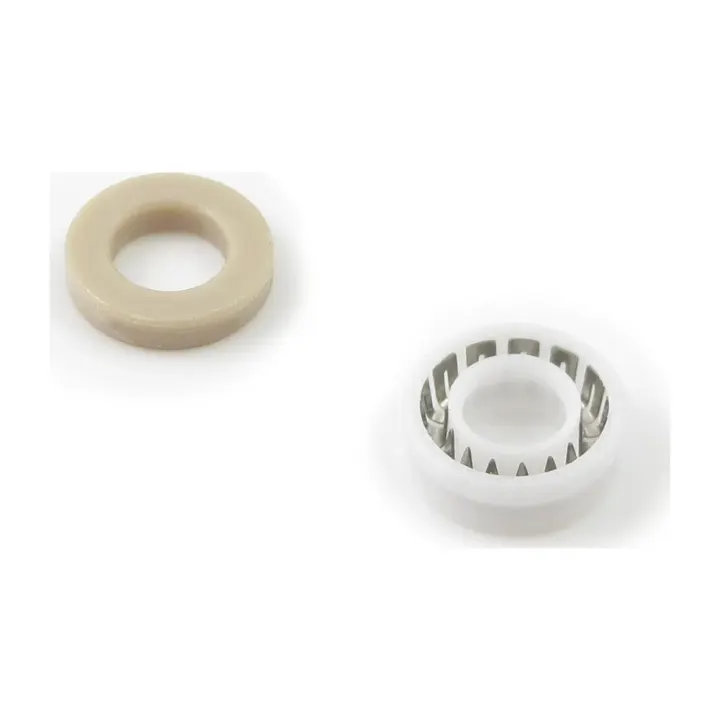
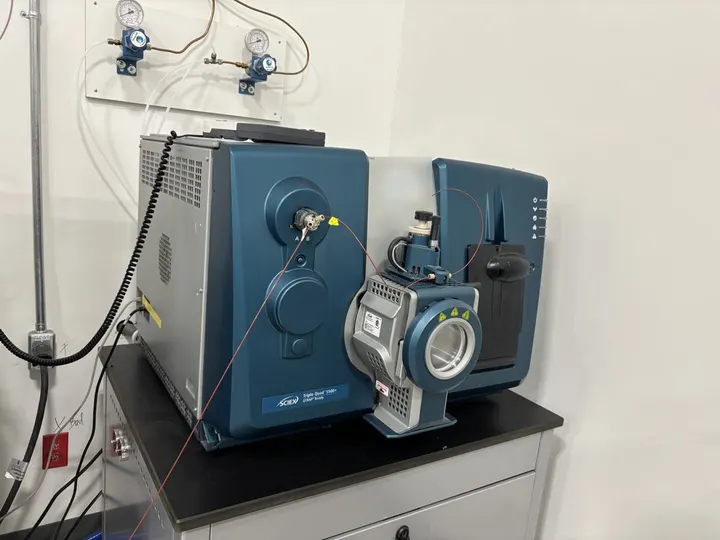
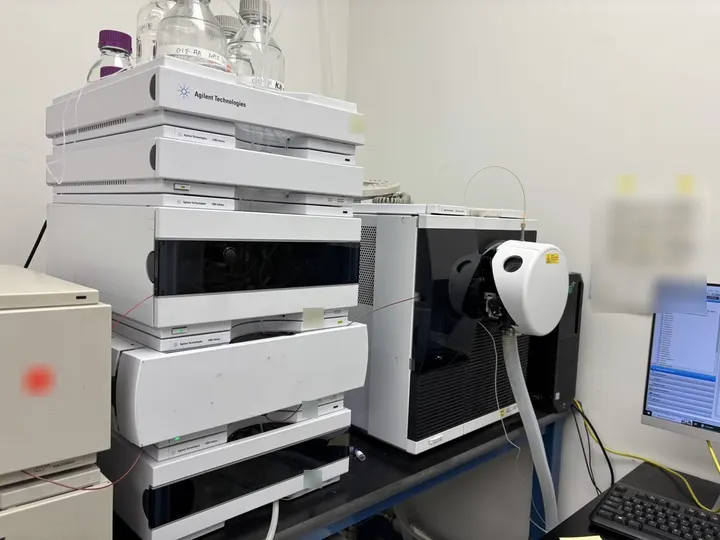
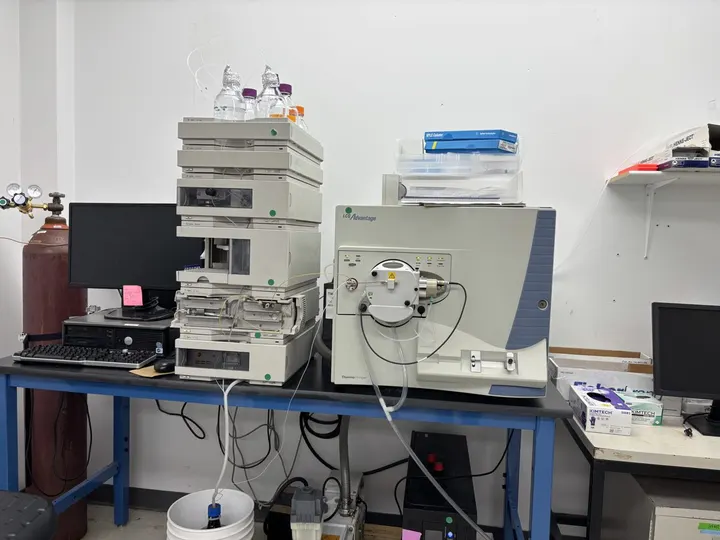
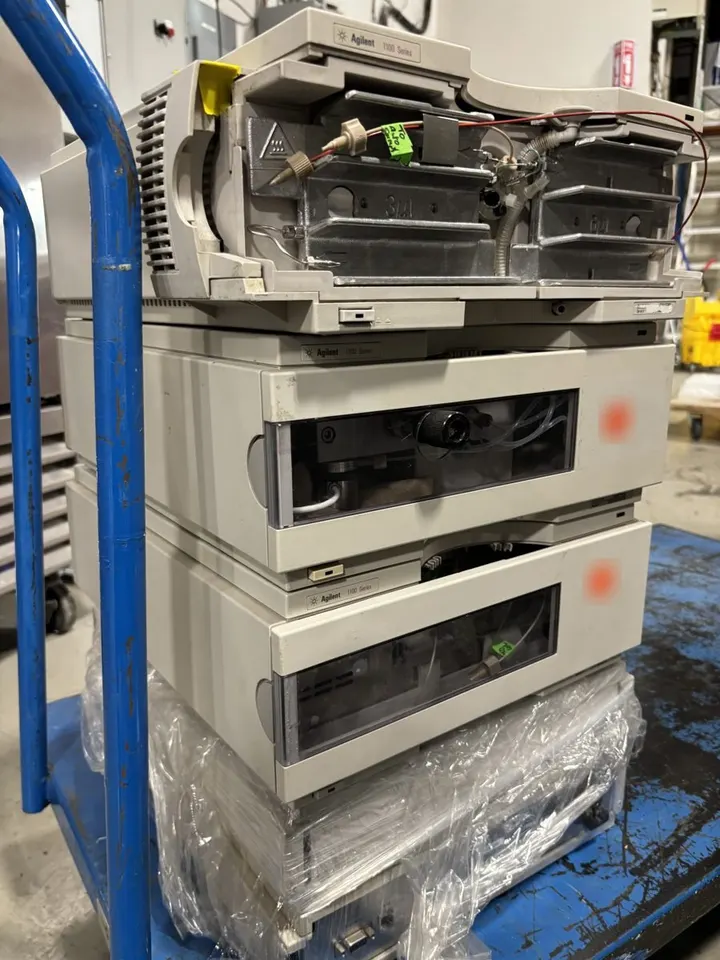
An HPLC has five stations: solvent inlet, pump, autosampler, column and oven, and detector. About a dozen parts wear out across them. Where a symptom shows up tells you which station to check: pressure in the pump and upstream, injection problems in the autosampler, baseline in the detector, peak shape mostly in the column.
- Which lamp is failing in your UV-Vis spectrophotometer
A UV-Vis spectrophotometer has a deuterium lamp for the UV and a tungsten halogen lamp for the visible, changing over at about 340 to 370 nm. Noise below the changeover points to the deuterium lamp, above it to the tungsten lamp. Noise across the whole range is usually not a lamp.
- Who pays for the lamp when the instrument is under a service contract
Most service plans cover a lamp damaged during a repair, but not a lamp that reaches end of life. On Agilent's standard Silver and Gold plans the lab buys end-of-life lamps. Silver Plus and the Enhanced PM Uplift include one LC deuterium lamp a year.
- Fitting a lamp with no RFID chip, and what you have to do yourself
On an Agilent VWD or DAD, a lamp without an RFID tag gives 'UV lamp tag not ready' and will not light until you change the lamp type to a manual setting. After fitting it, reset Accumulated UV Lamp On-Time in Lab Advisor, because an untagged lamp cannot store its own hours.
- Pressure that will not settle: check valve, seal, or neither
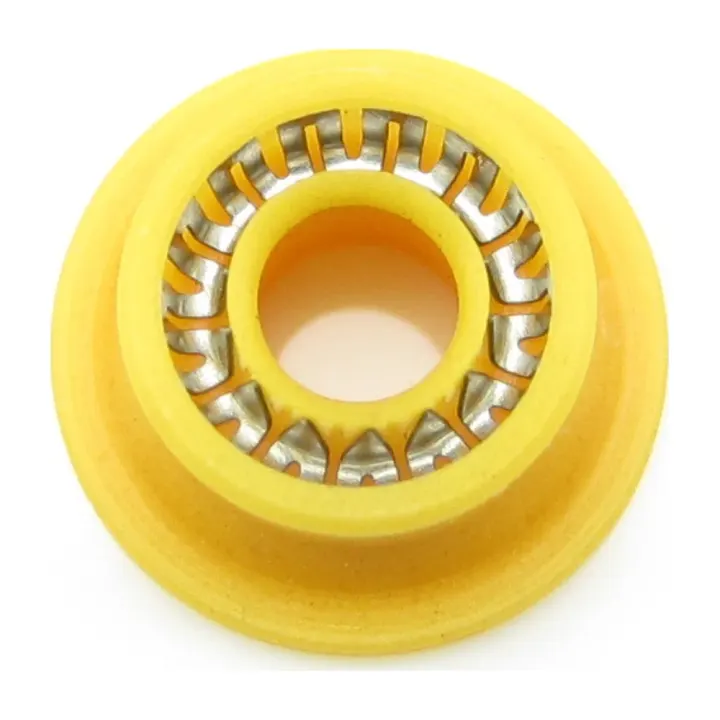
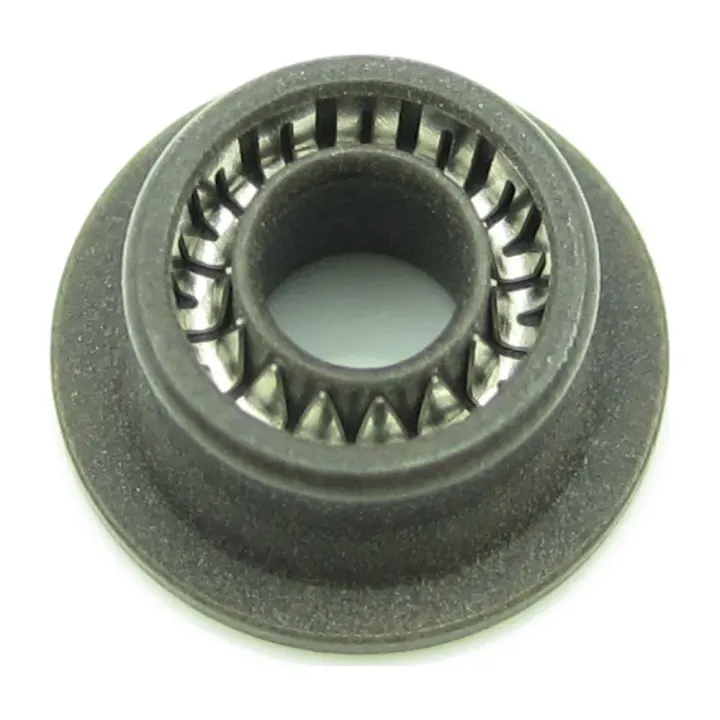
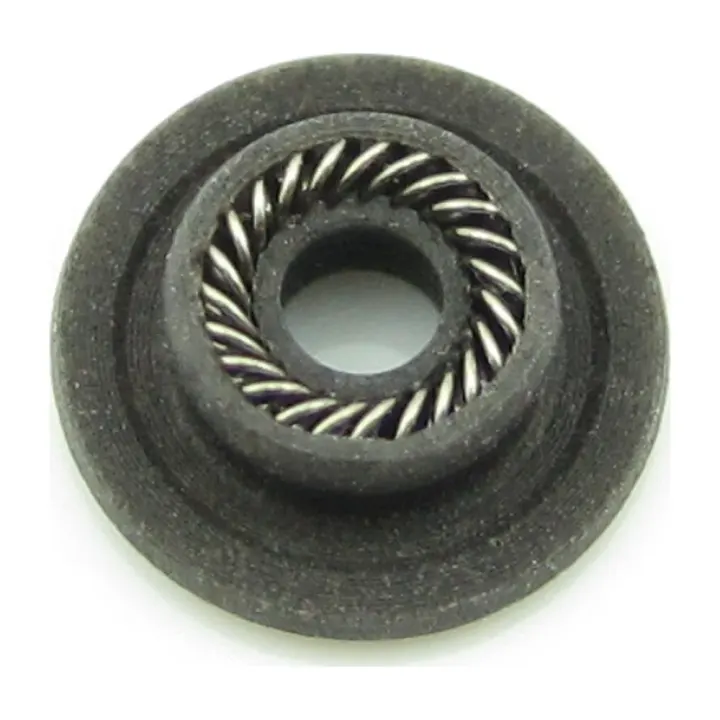
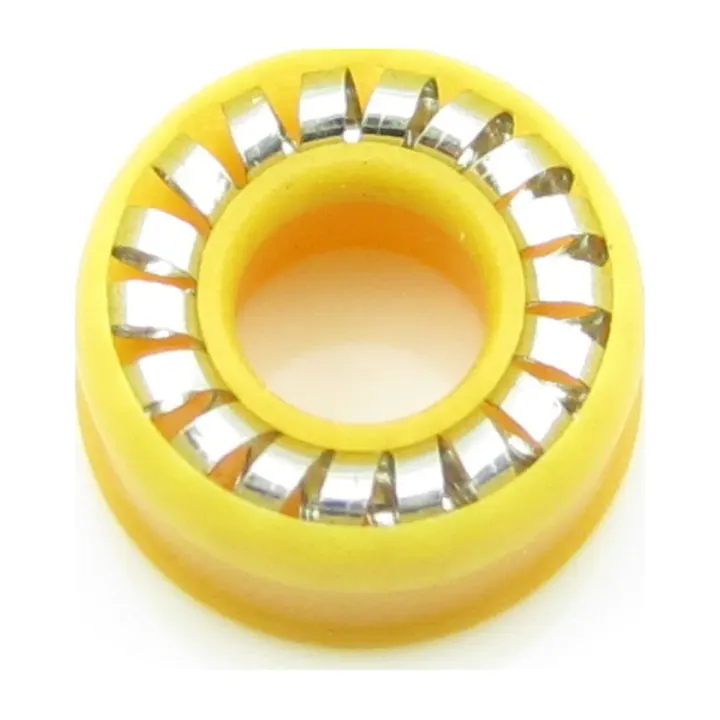
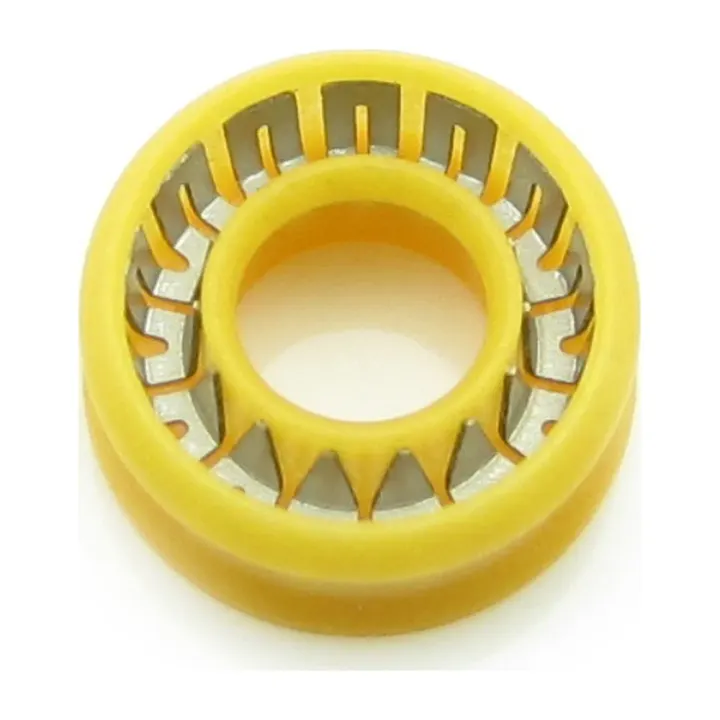
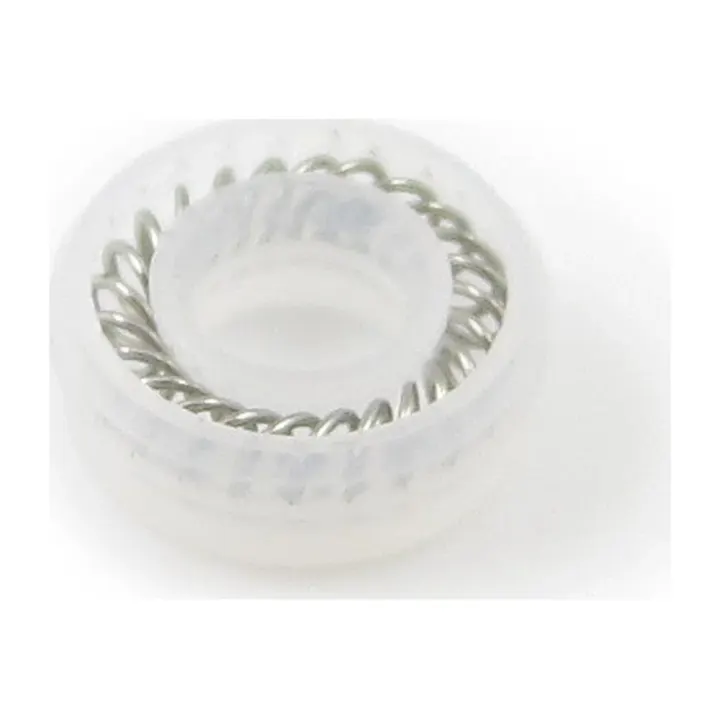
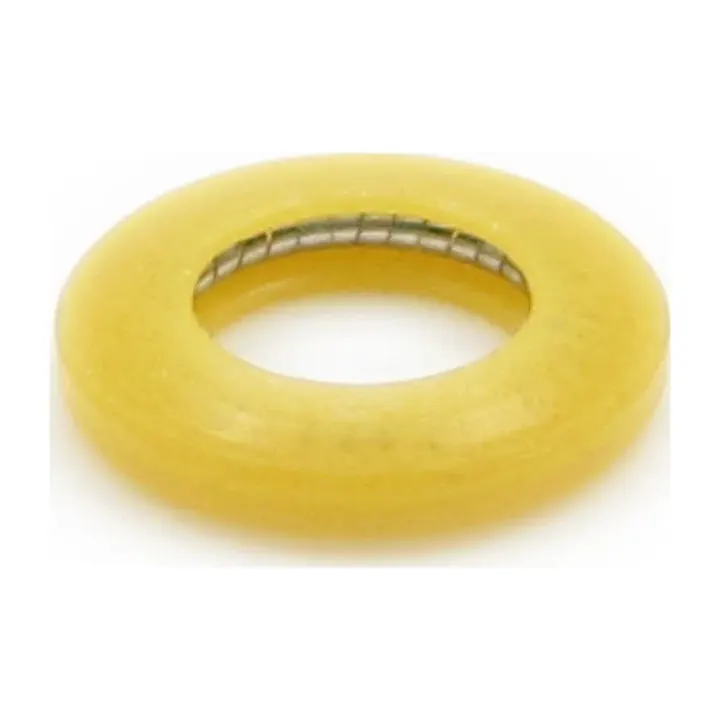
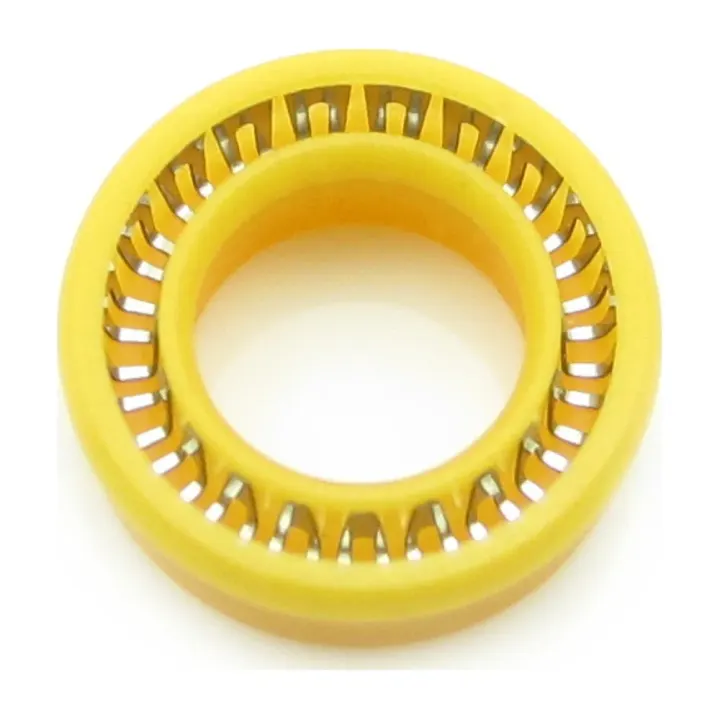
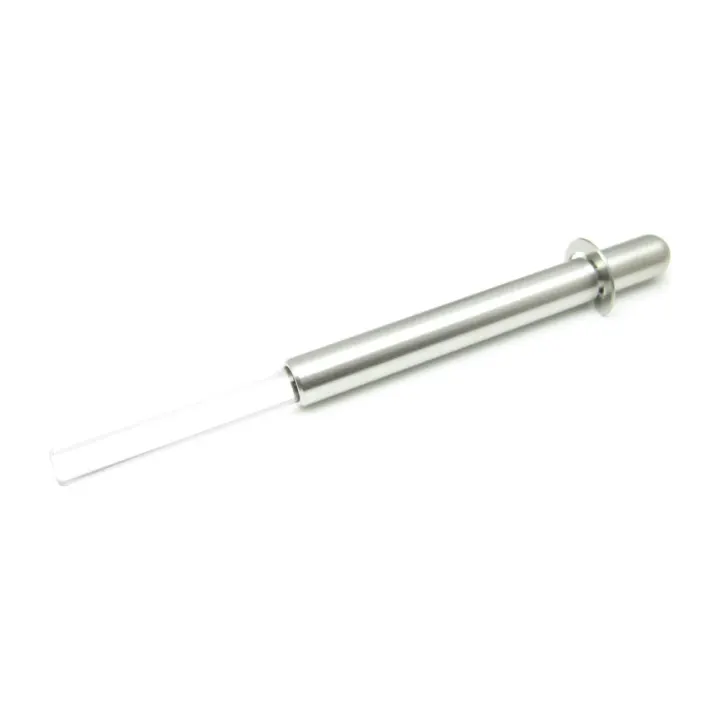
Rule out air first: degas, then run the free air bubble test on the intake line. A bubble that moves back and forth with each stroke means a stuck inlet check valve, which sonication in methanol or IPA can often recover. A leak or salt crust at the pump head points to the seals; inspect the plunger at 10x before fitting new ones.
- Which lamp your Agilent detector takes, and why the system name does not tell you
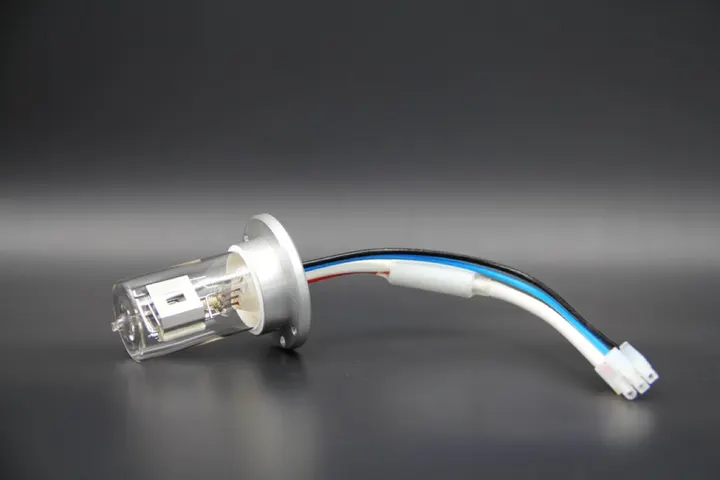
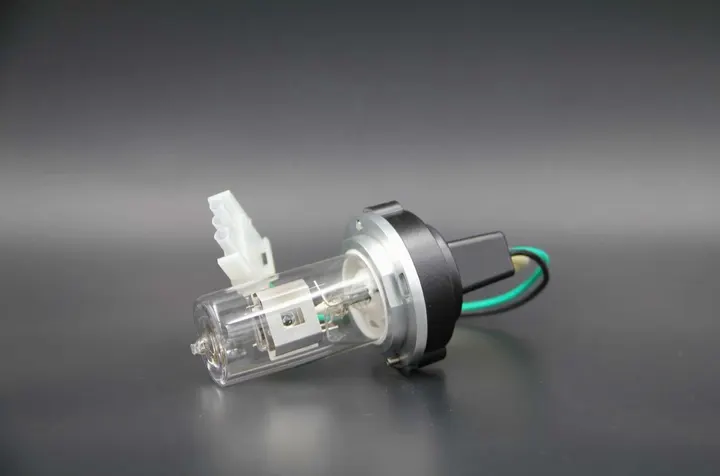
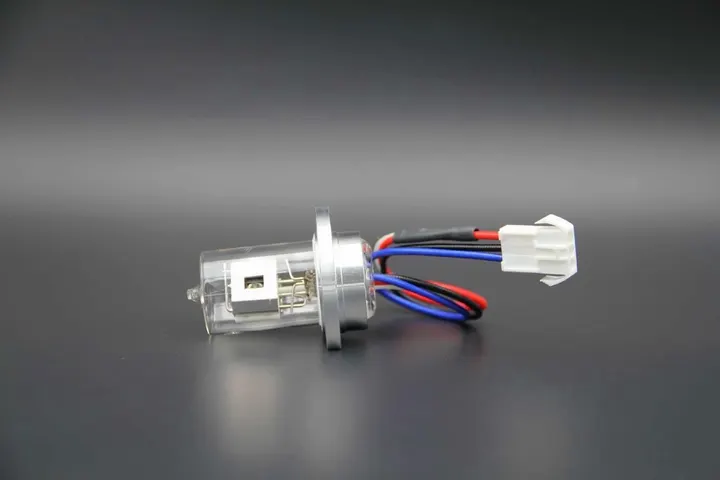
Order an Agilent lamp by the detector module number, not the system name. G1314A/B/C VWDs take G1314-60100, G1314D/E/F take G1314-60101, the 3-pin G1315 and G1365 DADs take 5182-1530 or 2140-0820, and 8-pin Max-Light detectors (G4212, G7117) take 5190-0917.
- Before you replace the deuterium lamp
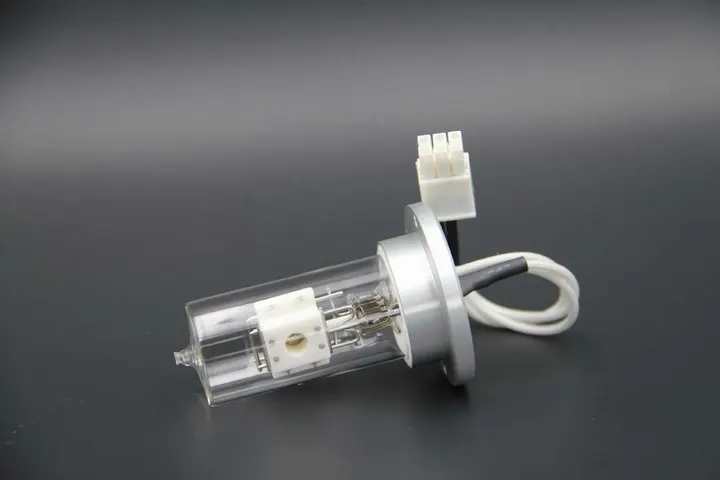
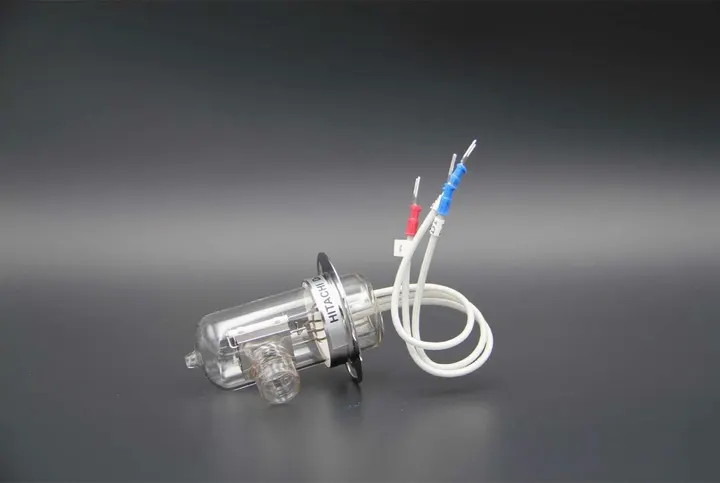
A deuterium lamp that needs replacing shows three things together: high hours (rated life is typically about 2,000), low energy on the intensity test, and noise that is worst at low wavelengths. If the noise is the same at 254 nm and 210 nm, look at the flow cell, air bubbles or mobile phase absorbance first.
- Your recovery is low, and it is probably not the instrument
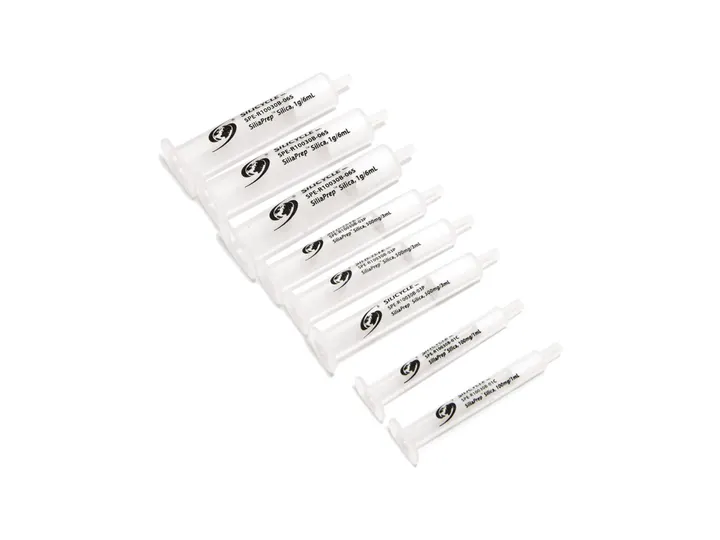
Low recovery is usually lost during extraction, not on the instrument. Inject a neat standard, a post-extraction spike and a pre-extraction spike to separate extraction loss from matrix effect. Then inject the load fraction, the wash and a second elution to find where the analyte goes.
- Choosing a flash cartridge, and why many bad runs are decided before you start
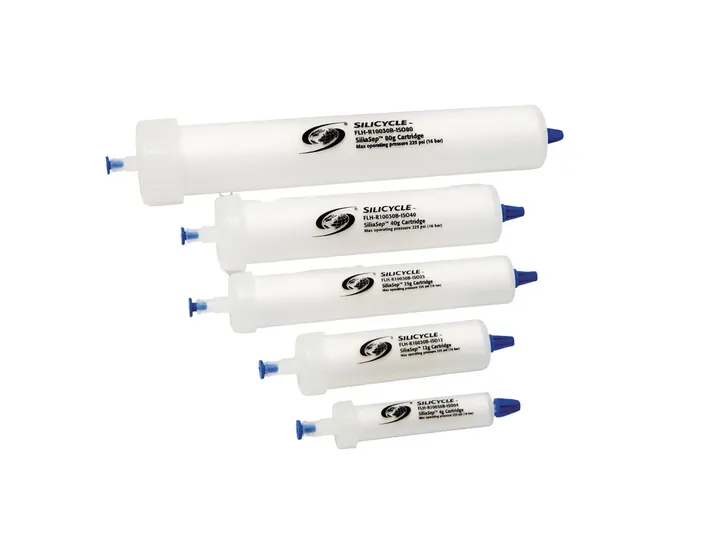
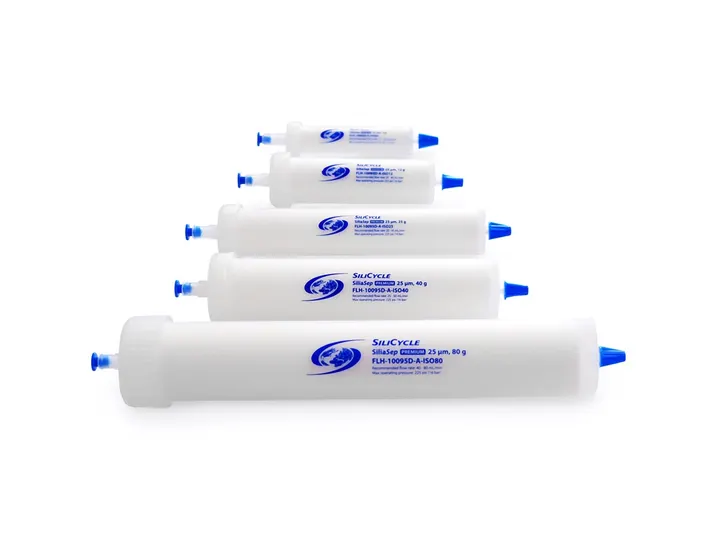
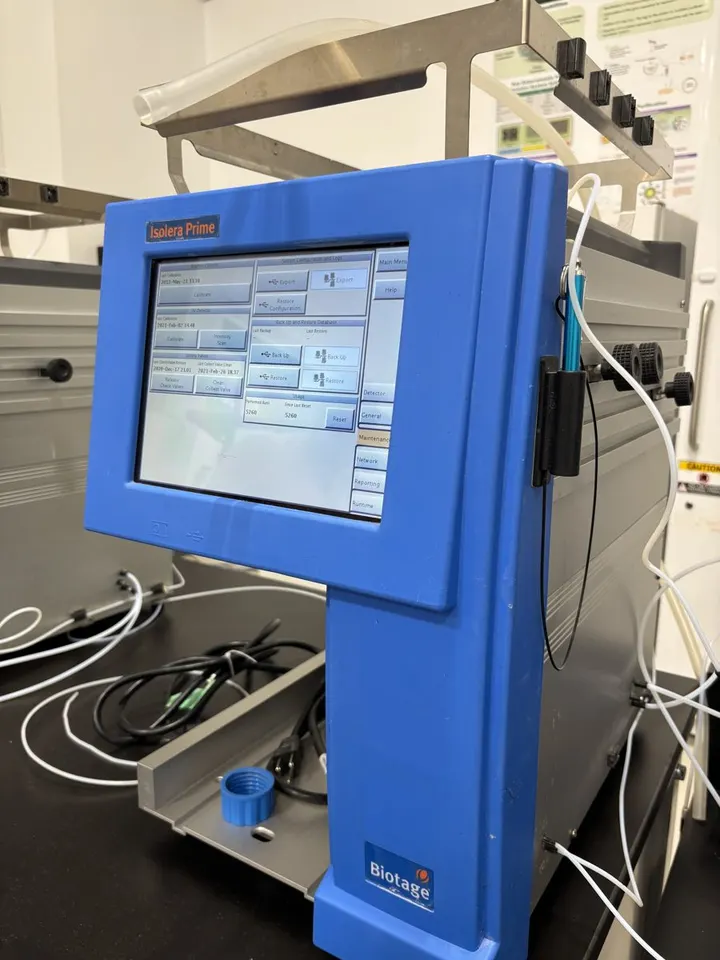
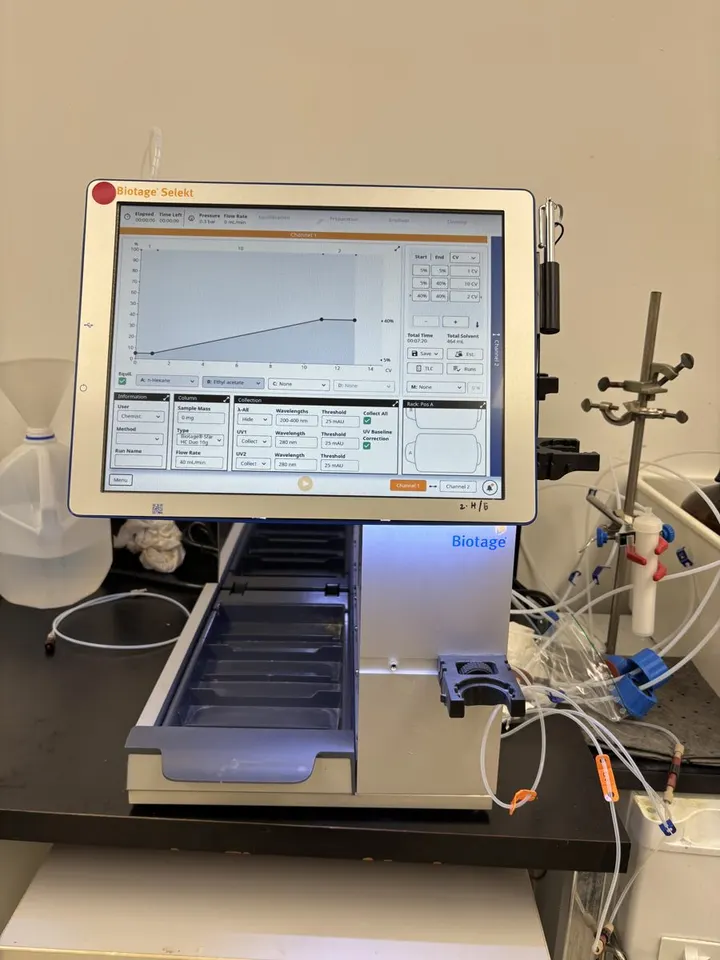
Choose the flash cartridge from your TLC plate. Biotage suggests a target Rf between 0.15 and 0.4. Turn Rf into column volumes (CV = 1/Rf), and use the gap in CV to the nearest impurity to decide the load: SiliCycle's chart goes from 1% of the silica mass for a close pair to 10% for a wide one. Dry load if the sample only dissolves in a strong solvent.
- Choosing a column for a polar analyte
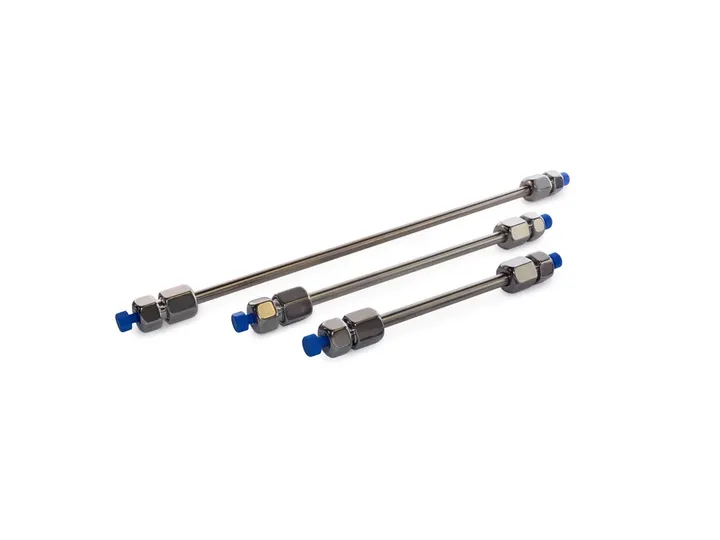
A polar compound has little to hold on to on a standard C18, so it elutes at the void. Dropping below about 5% organic can collapse a standard C18 phase. Choose an aqueous or polar-embedded C18 if your extract is aqueous, or HILIC if it is high in organic and you want the MS sensitivity gain.